
Articles – Access Control
Access Control as a Service (ACaaS): What It Is and Why It Matters
Buying access control used to mean a capital project: a server, controller cabinets in a riser, cabling to every door,...



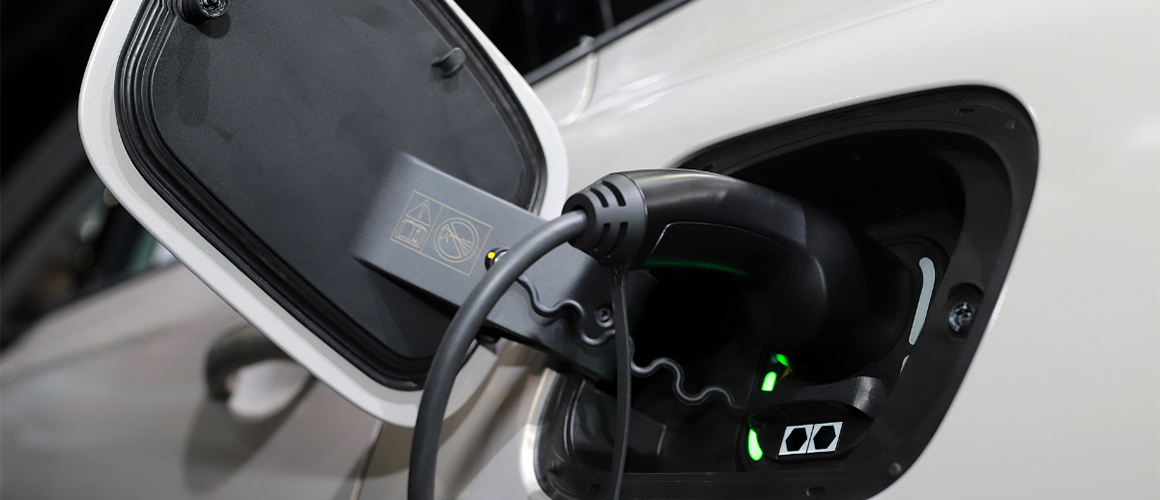
As electric vehicle (EV) adoption continues to accelerate, parking operators are investing heavily in the necessary charging infrastructure to meet the growing demand. EV charging has become an expected amenity in many parking facilities and, increasingly, a valuable source of revenue as well.
But installing charging stations is only the beginning.
For many facilities, the biggest challenge isn’t having enough chargers. It’s ensuring the installed chargers are being used efficiently.
"Installing EV chargers is an important first step, but the real opportunity comes from managing those spaces intelligently,” stated Jeff Sparrow, Director of Sales for TKH Security. “When operators have visibility into how charging bays are being used, they can deliver a better experience for drivers while maximizing the value of every charger they've installed."
Anyone who drives an EV has likely experienced the frustration of arriving at a parking facility only to find the charging bay occupied. Sometimes the vehicles parked there are actively charging. Other times, they’re fully charged but still occupying the space. And in even more frustrating cases, non-EV vehicles are parked in those dedicated spaces, blocking the charging bays altogether.
These situations create a poor customer experience while limiting the return on the operator’s investment.
Charger availability and reliability remain among the biggest barriers to wider EV adoption. Even as governments and private organizations invest billions into charging infrastructure, simply adding more chargers doesn’t solve operational inefficiencies. Facilities also need better visibility into how those charging spaces are being used.
Camera-based parking guidance technology provides that visibility.
Using the Park Assist solution’s M5 smart sensors, parking operators can monitor EV charging spaces in real time through the same infrastructure already supporting parking guidance throughout the facility.
Instead of treating charging bays as isolated parking spaces, operators gain access to valuable operational data, including:
This information helps operators understand how their charging infrastructure is performing while identifying opportunities to improve turnover and increase utilization.
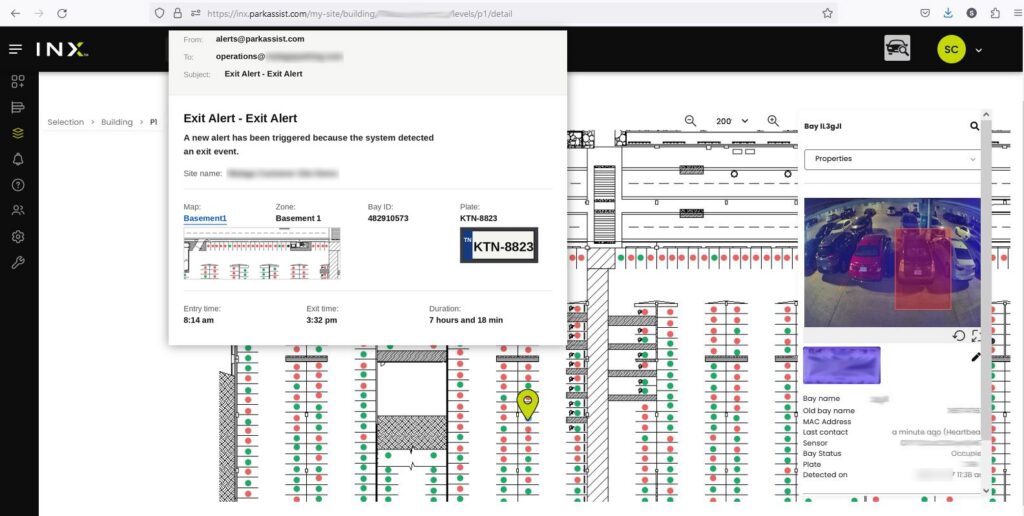
For operators looking to take that visibility a step further, Park Alerts can help turn charging space activity into actionable data. With customizable, time-based alerts, operators can establish effective dwell-time thresholds for EV charging spaces and receive a notification when a vehicle has remained in a space beyond their limit. This can help staff identify spaces that may need attention and enforce facility policies designed to keep high-demand charging spaces available.
Having such valuable insights can be particularly useful as facilities establish policies around the use of EV charging spaces. Some charging networks, for example, distinguish between idle fees that begin after a vehicle has finished charging but remains in the space, overstay fees based on total time in the space, and penalties for gas-powered cars parking in the space and blocking a charger. By providing operators with alerts about dwell time management, Park Alerts can support the operational side of those policies without requiring staff to manually monitor each charging bay.
The benefits extend far beyond operational insight.
Digital wayfinding signage and dynamic LED indicators can guide EV drivers directly to available charging bays, eliminating unnecessary circling through garages in search of an open charger.
Reducing search time not only improves customer satisfaction but also decreases congestion and unnecessary vehicle emissions inside parking facilities.
For facilities where charging availability directly influences customer choice, providing a predictable charging experience can become a true competitive advantage.
Adding more charging stations is expensive.
Before expanding infrastructure, many operators can unlock additional value simply by improving how existing charging spaces are managed.
Better visibility into occupancy patterns allows facilities to identify underutilized assets, recognize recurring bottlenecks, and make more informed operational decisions. Higher charger turnover means more drivers can access charging throughout the day, increasing the revenue potential of each installed charger.
Combining real-time occupancy data, dwell time monitoring, wayfinding signage, and automated alerts gives operators a more holistic view of how their EV charging spaces are performing. Rather than simply knowing whether a charger is occupied, they can understand how long a vehicle has been there, guide other drivers to available spaces, and identify when a charging bay may need attention, all without any manual work required.
As EV adoption continues to grow, successful parking operations will need more than charging hardware alone. They’ll need the operational intelligence to manage that infrastructure as efficiently as the rest of the parking facility. Because in the future of parking, installing chargers is just the first step. Operating them intelligently is where the real value begins.
Buying access control used to mean a capital project: a server, controller cabinets in a riser, cabling to every door,...
Healthcare facilities have always been places of healing, compassion, and care. Yet in recent years, conversations...

A major milestone has been reached at Detroit Metropolitan Wayne County Airport (DTW), where the new Park Assist...