Security Management
Sports and Entertainment



A leading European provider of psychiatric healthcare continued its expansion with new locations, including an advanced clinic, while continuing to operate multiple offices nationwide. They needed a secure, scalable access and communication system to support clinical and administrative operations across all sites.
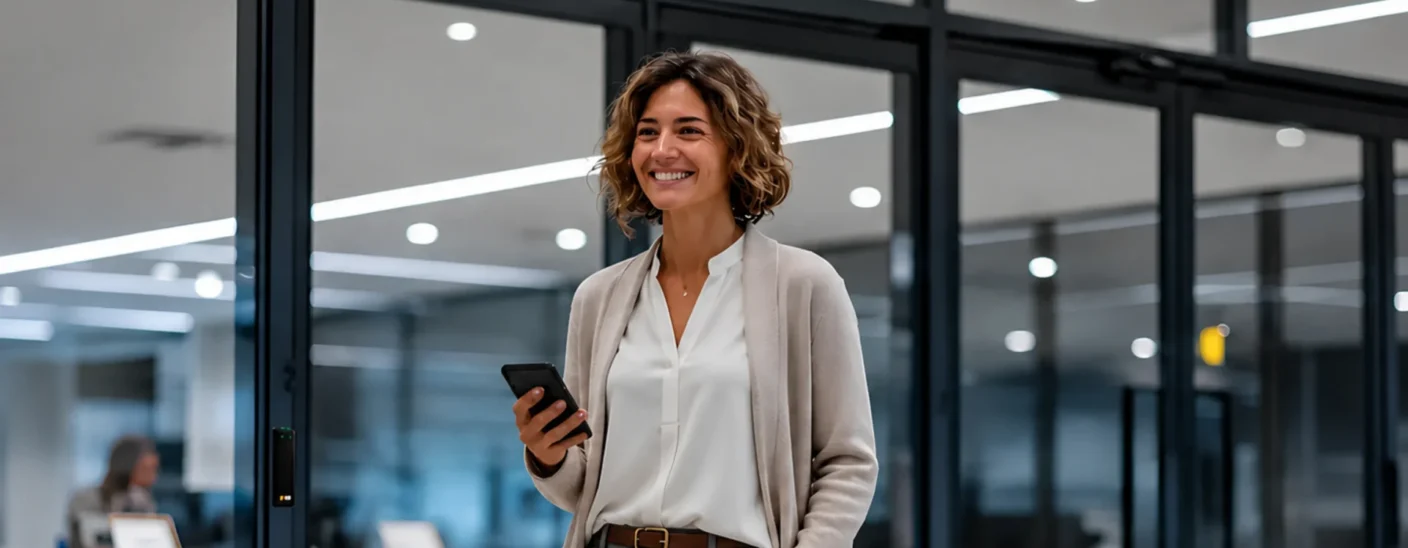

"Implementing the system has allowed us to manage access and communication across multiple sites with precision, even in high-security environments such as pharmaceutical storage. Our staff feel safer, processes run smoothly, and the flexibility of the system allows us to respond quickly to changing needs."
Healthcare Facility Manager (Client)
At critical hours, security levels adjust based on staff schedules, for example limiting access at night to essential personnel and allowing broader access during the day. Users must fully exit the secured area before re-entry is allowed, ensuring accurate tracking of who is inside the area and preventing repeated badge use.
Staff can see and talk to each other in critical areas, including between cells, guard stations, and various types of rooms using an intercom system. The same system also supports communication with visitors at entrances and controls special access doors.
Authorized users can retrieve keys from a secure key cabinet with their access cards, with full usage tracking and automatic alerts for overdue returns. This ensures accountability and enhanced security, which is crucial for protecting sensitive areas such as medication storage.
Staff use one access card for multiple functions, including access control, key lockers, pharmaceutical rooms, and trolleys, simplifying daily operations. A centralized security station provides live building layouts and instant alarm pop-ups, enabling security teams to monitor and manage doors, sites, and alarms, for example when a door is left open too long. The system also supports real-time alerts, allowing messages and notifications to be instantly sent to staff devices such as pagers and phones, enabling rapid communication during critical situations.
Only one door opens at a time to prevent unauthorized entry and maintain separation between public areas and restricted zones, including spaces with sensitive equipment.
To balance cost and security, a mix of wired and wireless door locks was used based on the needs of each area.
"This project required a system that could adapt to clinical realities, staff workflows, and emergency situations. By combining dynamic access control, communication, and centralized management, the solution supports both safety and operational efficiency across every site."
Ed Jongbloed
TKH Security Regional Account Manager
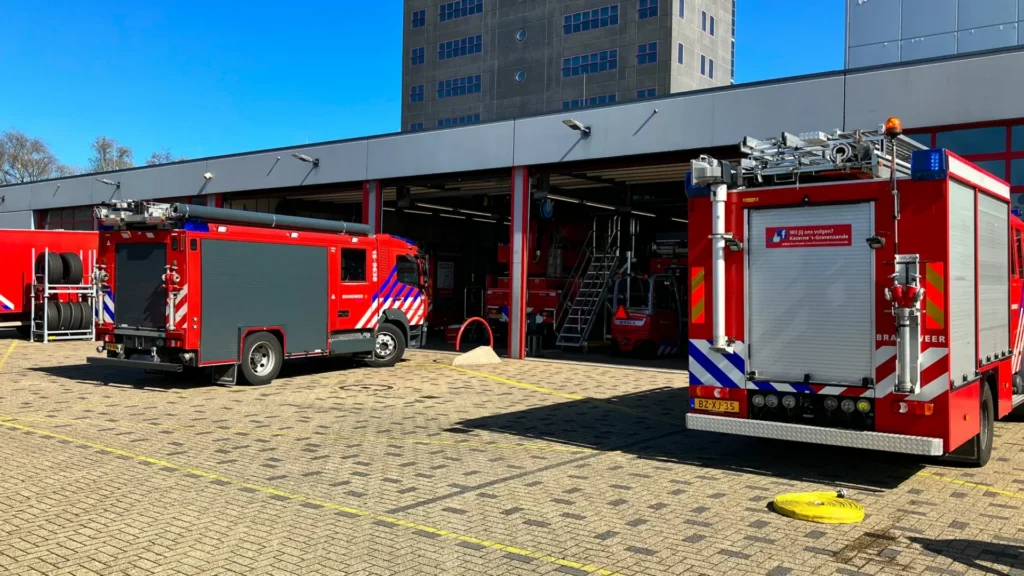
Safety Region Haaglanden, VRH partnered with us to deploy our IPROTECT Access Control solution across 22 local fire...

The Florida Keys rely on a single highway as their vital link to the mainland. To enhance safety and visibility, the...

The Florian Krygier Stadium, home to Pogoń Szczecin, seats approx. 20,500 spectators. The stadium features four stands,...
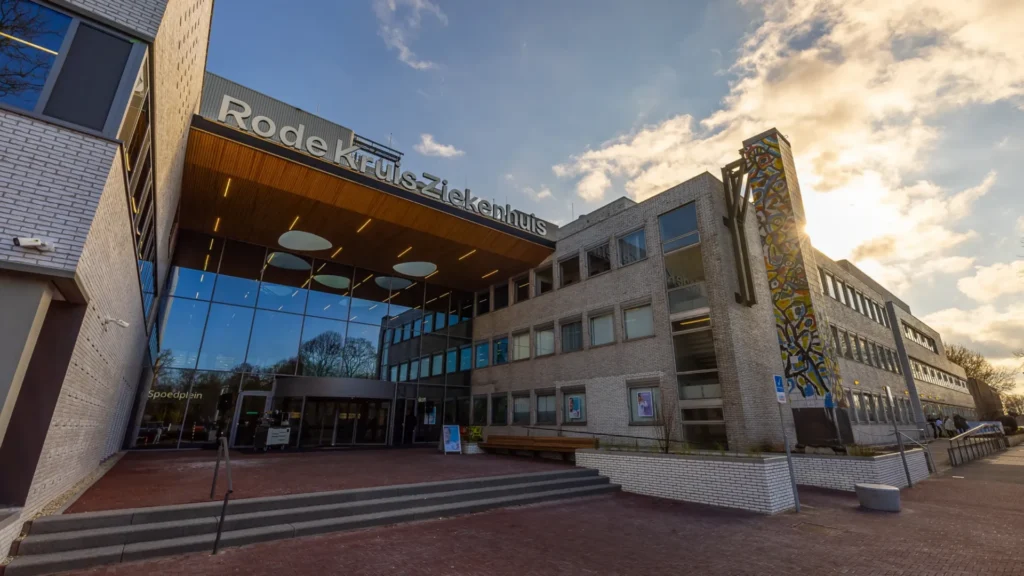
The Red Cross Hospital (RKZ) in Beverwijk is a medium-sized general hospital renowned for its exceptional clinical care...
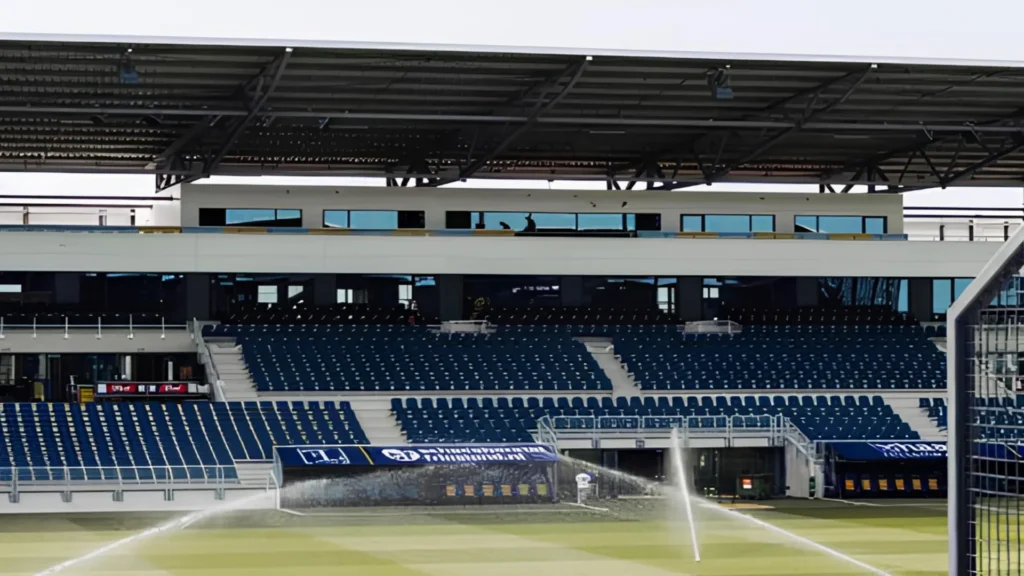
The Kooi Stadion is a vibrant football arena located in the Dutch town of Leeuwarden. As the home of SC Cambuur, a...